Safety in Boxing: Essential Gear and Precautions to Minimize Injuries
Boxing, a sport of skill, endurance, and strength, has captivated audiences for centuries. However, like any contact sport, it carries inherent risks. Ensuring safety in boxing is paramount for both amateur and professional athletes. This article delves into the essential gear and precautions necessary to minimize injuries, fostering an environment where athletes can thrive without compromising their well-being.
The Importance of Safety Gear in Boxing
Safety gear is a fundamental component of boxing, offering protection against the sport’s physical demands. Proper equipment can significantly reduce the risk of injuries, allowing boxers to focus on honing their skills and strategies. Let’s explore the key pieces of safety gear every boxer should have.
Boxing Gloves
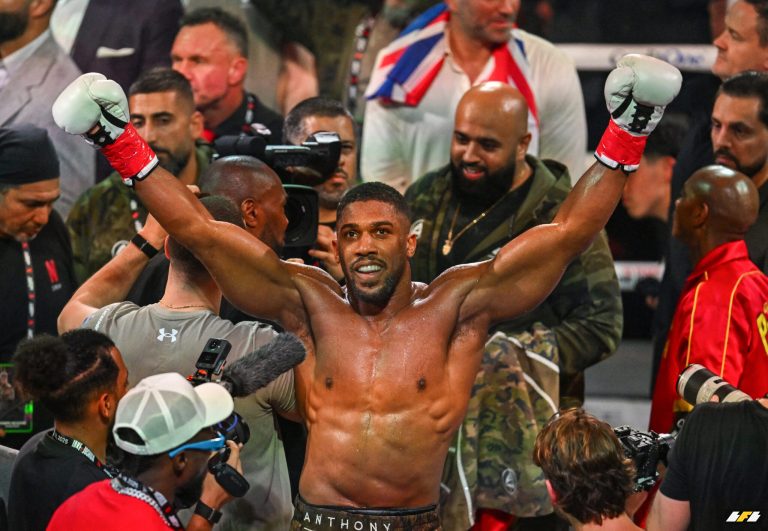
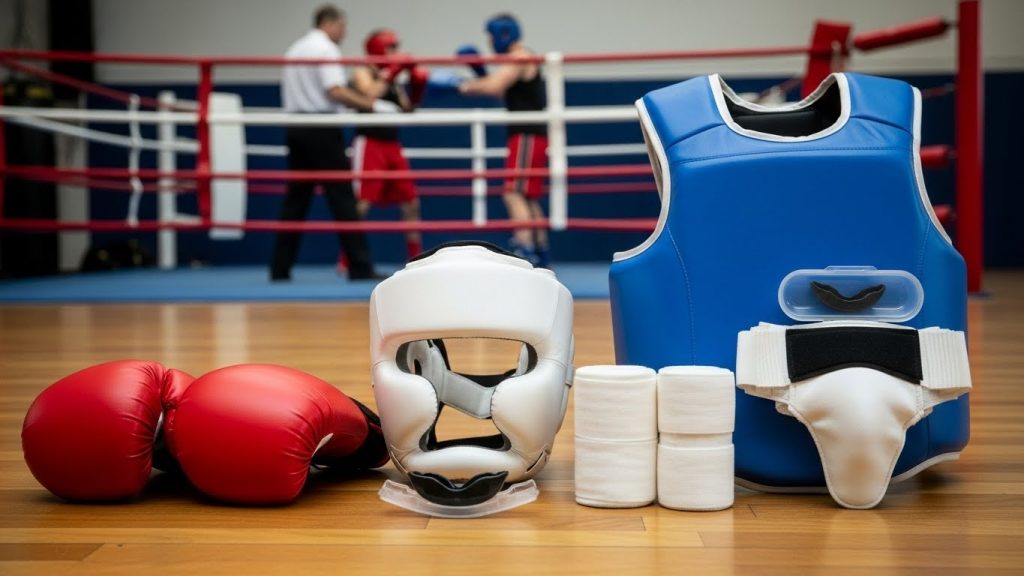
Boxing gloves are perhaps the most iconic piece of equipment in the sport. They serve as the first line of defense for a boxer’s hands and their opponent’s body. Quality gloves provide cushioning that absorbs impact, reducing the risk of fractures and sprains. It’s crucial to select gloves that fit well and are appropriate for the boxer’s weight class.
For more information on selecting the right boxing gloves, visit this comprehensive guide on boxing gloves.
Hand Wraps
Often overlooked, hand wraps are essential for protecting the small bones and tendons in the hands. They provide additional support and help secure the wrist, reducing the likelihood of sprains. Properly wrapping hands before wearing gloves is a practice that all boxers should adopt.
Headgear
Headgear is crucial, especially for amateur boxers. It provides vital protection against cuts, bruises, and concussions by absorbing and distributing the force of impacts. While it doesn’t guarantee complete protection against brain injuries, it significantly mitigates the risk of superficial head trauma.

For a deeper understanding of the role of headgear in boxing, consider this detailed analysis on boxing headgear.
Mouthguards
Mouthguards are non-negotiable when it comes to boxing safety. They protect the teeth, gums, and jaw, and can even reduce the risk of concussions by absorbing shocks to the head. Custom-fitted mouthguards offer the best protection and comfort, making them a worthwhile investment for any boxer.
Groin Protectors and Chest Guards
These protective gears are crucial for safeguarding vulnerable areas of the body. Groin protectors shield against low blows, while chest guards, especially for female boxers, offer protection from potentially harmful strikes.
Precautionary Measures to Minimize Injuries
Beyond gear, adopting precautionary measures is vital for minimizing injuries in boxing. These practices help maintain a safe environment in training and competition.
Proper Training and Technique
Proper training is the cornerstone of boxing safety. Coaches and trainers play a pivotal role in teaching athletes the correct techniques, ensuring they can protect themselves effectively. Emphasizing footwork, defense, and safe punching techniques reduces the risk of self-inflicted injuries.
For insights into effective boxing training techniques, explore this resource on boxing training methods.
Regular Medical Check-Ups
Boxers should undergo regular medical check-ups to monitor their physical health. Pre-fight medical screenings can identify potential health concerns, preventing serious injuries in the ring. Post-fight check-ups are equally important for assessing any damage sustained during a bout.
Understanding Limits and Taking Rest
Understanding one’s limits is crucial in boxing. Overtraining can lead to fatigue and increase the risk of injuries. Boxers should listen to their bodies and incorporate rest days into their training regimen to allow for recovery and muscle repair.
Adhering to Weight Class Regulations

Fighting within the appropriate weight class is essential for fair competition and safety. Extreme weight cutting can lead to dehydration and exhaustion, compromising a boxer’s performance and increasing the risk of injury. Maintaining a healthy weight through diet and exercise is a safer approach.
For more on safe weight management in boxing, check out this study on weight management strategies.
The Role of Organizations and Regulations
Boxing organizations play a critical role in upholding safety standards. Governing bodies establish rules and regulations that protect athletes, such as mandatory medical exams, drug testing, and enforcing the use of appropriate safety gear. These regulations are essential for maintaining the integrity and safety of the sport.
Promoting Safety Culture
Promoting a culture of safety within boxing gyms and organizations can significantly reduce the incidence of injuries. Coaches, trainers, and athletes should prioritize safety in training and competition, fostering an environment where health and well-being are paramount.
Takeaways
Safety in boxing is a multifaceted issue that requires attention from athletes, coaches, and governing bodies. By utilizing essential safety gear, adhering to precautionary measures, and promoting a culture of safety, the risks associated with boxing can be minimized. As the sport continues to grow in popularity, ensuring the health and safety of its participants remains a top priority.
For those interested in learning more about the broader impacts of safety in sports, consider exploring this resource on sports safety from the CDC.
Innovations in Boxing Safety Gear
The evolution of technology has brought about significant advancements in boxing safety gear. Modern equipment is designed with cutting-edge materials and innovative features that enhance protection and comfort for athletes.
Smart Headgear
Smart headgear is a recent innovation that integrates sensors to monitor impacts and detect potential concussions. These sensors provide real-time data on the force and location of punches, helping coaches and medical staff make informed decisions about a boxer’s condition during and after fights. This technology represents a promising step forward in preventing long-term brain injuries.
Advanced Mouthguard Technology
Today’s mouthguards are not only designed for optimal protection but also incorporate technology for monitoring vital signs. Some models feature built-in sensors that track heart rate, breathing patterns, and exertion levels, offering valuable insights into a boxer’s physical state. This information can be crucial for adjusting training regimens and ensuring athletes are in peak condition.
High-Tech Materials in Gloves
The latest boxing gloves utilize advanced materials like gel-infused padding and moisture-wicking fabrics. Gel padding offers superior shock absorption compared to traditional foam, while moisture-wicking materials keep hands dry and comfortable, reducing the risk of skin irritation and blisters. These innovations contribute to better performance and increased safety.
The Psychological Aspect of Boxing Safety
While physical safety is paramount, the psychological well-being of boxers is equally important. The mental demands of the sport can be intense, and addressing psychological safety can help athletes maintain focus and resilience.
Building Mental Resilience
Developing mental resilience is crucial for boxers facing the pressures of competition. Techniques such as visualization, mindfulness, and stress management can help athletes remain calm and focused, reducing anxiety and enhancing performance. Mental resilience training should be an integral part of any boxing program.
Access to Mental Health Resources
Providing access to mental health resources is essential for addressing the psychological challenges boxers may encounter. Support from sports psychologists, counselors, and peer groups can help athletes navigate the emotional demands of the sport, promoting overall well-being.
For more insights on mental health in sports, consider this resource on sports psychology from the APA.
Conclusion: Prioritizing Safety for a Thriving Boxing Career
Ensuring safety in boxing is a multifaceted endeavor that requires commitment from all stakeholders involved. From utilizing state-of-the-art safety gear to embracing innovative technologies and addressing mental health, every aspect plays a vital role in safeguarding athletes. The future of boxing depends on a collective effort to prioritize safety, allowing the sport to continue to inspire and captivate audiences worldwide.
As the boxing community grows, fostering a culture of safety and well-being will pave the way for athletes to pursue successful and fulfilling careers, free from the fear of unnecessary injury. By staying informed and making safety a priority, we can ensure that boxing remains a sport where athletes can truly shine.
The Role of Education and Awareness
Education and awareness are critical components in promoting safety in boxing. Athletes, coaches, and even spectators benefit from a deeper understanding of the risks associated with the sport and the best practices to mitigate them.
Training Programs for Coaches
Coaches are instrumental in instilling a culture of safety within boxing gyms. Comprehensive training programs for coaches ensure they are well-versed in the latest safety protocols, injury prevention techniques, and emergency response procedures. By staying informed, coaches can better protect their athletes and promote safe practices.
Athlete Education
Educating athletes about the importance of safety gear, proper techniques, and injury prevention empowers them to take charge of their own safety. Workshops, seminars, and educational materials can provide valuable information that athletes can apply both in training and competition.
For further reading on athlete education, visit this resource on student-athlete education.
Spectator Awareness
Spectators play a role in promoting a culture of safety by understanding the demands and risks of the sport. Increased awareness among fans can lead to more supportive environments, where safety is prioritized over sheer entertainment. Public campaigns and informational events can help spread this awareness.
Community Engagement and Support
The boxing community, including fans, sponsors, and organizations, can collectively contribute to improving safety standards. Community support often leads to better resources, training facilities, and opportunities for athletes to thrive safely.
Collaborations with Health Professionals
Partnerships with health professionals, including doctors, physiotherapists, and sports scientists, enhance the support available to boxers. These collaborations ensure that athletes receive comprehensive care, from preventative measures to injury treatment and rehabilitation.
Sponsorship for Safety Initiatives
Sponsorship can play a significant role in funding safety initiatives, such as research into better safety equipment, educational programs, and upgraded training facilities. By investing in these areas, sponsors help create a safer environment for athletes and contribute positively to the sport’s reputation.
Community-Based Programs
Community-based programs can engage young athletes, offering them access to safe training environments and quality coaching. These programs often emphasize the importance of safety and discipline, nurturing the next generation of boxers with a strong foundation in safe practices.
Final Thoughts
Safety in boxing is a shared responsibility that extends beyond the athletes themselves. It encompasses coaches, trainers, organizations, and even spectators. By fostering a culture of safety, the sport can continue to evolve and inspire without compromising the health and well-being of its participants.
The advancements in technology, education, and community support have set the stage for a safer future in boxing. As these elements continue to develop, they offer hope for a sport where athletes can compete with confidence, knowing that their safety is a top priority. This proactive approach ensures that the thrilling and dynamic world of boxing remains accessible and safe for all who wish to participate.
About the Author