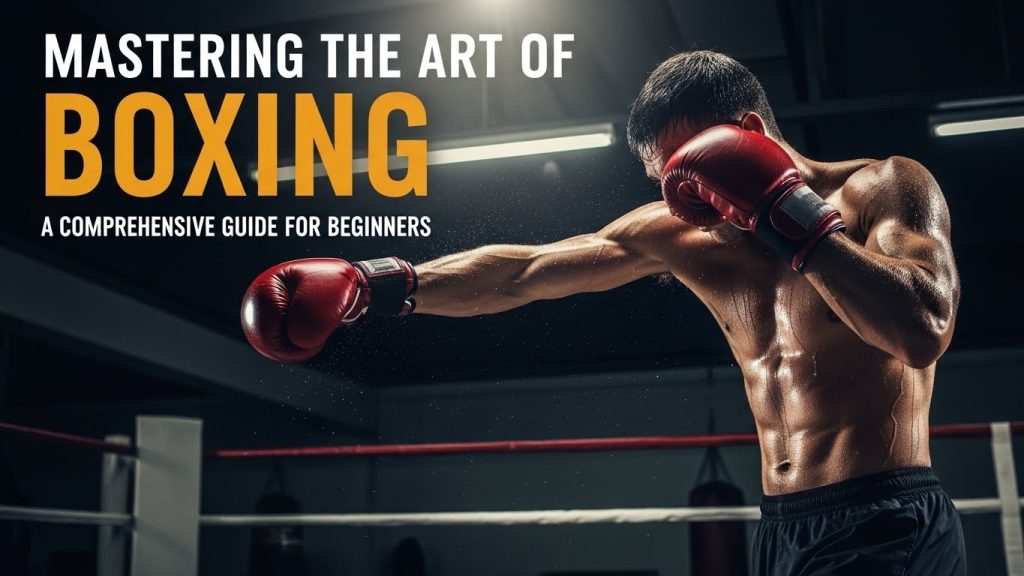
Mastering the Art of Boxing: A Comprehensive Guide for Beginners
Boxing is not just a sport; it’s a time-honored tradition that has been part of human history for centuries. Known for its rigorous training and strategic finesse, boxing is a compelling way to enhance physical fitness and mental toughness. If you’re a beginner looking to dive into this fascinating world, this comprehensive guide will help you get started, offering insights into the basic techniques, training routines, and the mental aspects of boxing.
The History and Evolution of Boxing
Before stepping into the ring, it’s essential to understand the rich history of boxing. Dating back to ancient civilizations, boxing’s roots can be traced to Egypt, Greece, and Rome, where it was a popular sport. The modern form of boxing, as we know it today, evolved in 17th-century England with the introduction of rules and regulations to ensure the safety of the fighters.
The Marquess of Queensberry Rules, established in 1867, laid the foundation for contemporary boxing. These rules standardized the sport, introducing gloves, timed rounds, and weight divisions, which paved the way for boxing to become a global phenomenon.
Understanding the Basics: Stances and Footwork
For beginners, mastering the fundamentals is crucial. The foundation of boxing lies in its stances and footwork. An orthodox stance, where the left foot is forward for right-handed fighters, provides balance and leverage for punches. Conversely, a southpaw stance is used by left-handed fighters, with the right foot forward.

Footwork is equally vital, as it allows boxers to navigate the ring effectively. Basic movements like the jab step, pivot, and slide help maintain balance and positioning. Practicing foot drills can significantly enhance agility and coordination, essential components for any successful boxer.
Essential Techniques: Punching and Defense
Boxing is an art form that combines offense and defense. To excel in boxing, one must master various punches such as the jab, cross, hook, and uppercut. Each punch has its own technique and purpose, and learning how to execute them correctly is essential for effective offense.
Equally important is defense. Techniques like slipping, bobbing, weaving, and blocking are crucial for avoiding an opponent’s punches. A strong defense can create opportunities for counterattacks, making it a vital part of any boxer’s arsenal.
Developing a Training Routine
A well-rounded training routine is key to mastering boxing. It should include cardiovascular exercises, strength training, and skill-based drills. Running, jump rope, and shadow boxing are excellent cardiovascular workouts that improve endurance and footwork.
Strength training, focusing on core stability and upper body strength, enhances punching power and overall performance. Incorporating exercises like push-ups, planks, and medicine ball throws can significantly benefit a boxer’s strength and conditioning.
The Mental Aspect of Boxing
Boxing is as much a mental challenge as it is a physical one. The psychological resilience required to face an opponent in the ring is immense. Visualization techniques, mindfulness, and mental conditioning are tools that many boxers use to prepare mentally for a match.

Understanding the psychology of boxing is crucial for developing confidence, focus, and strategic thinking. Being able to read an opponent, anticipate their moves, and stay calm under pressure are skills honed through mental training.
Nutrition and Recovery
Nutrition plays a pivotal role in a boxer’s training regimen. A balanced diet rich in proteins, carbohydrates, and healthy fats fuels the body and aids in recovery. Hydration is also essential, especially during intense training sessions.
Recovery strategies, such as adequate sleep, stretching, and massage therapy, are necessary to prevent injuries and ensure long-term performance. Understanding the importance of sports nutrition can significantly impact a boxer’s energy levels and recovery time.
Finding the Right Coach and Gym
For beginners, finding the right coach and gym is crucial. A knowledgeable coach can provide personalized training plans, technique correction, and motivation. When selecting a gym, consider factors such as location, facilities, and the expertise of trainers.
Participating in group classes can also be beneficial, offering a sense of community and shared learning experiences. Many gyms offer beginner-friendly classes where you can learn the basics and gradually progress to more advanced techniques.
Setting Goals and Tracking Progress
Setting realistic goals is vital for long-term success in boxing. Whether it’s improving footwork, mastering a particular punch, or entering a competition, having clear objectives can keep you motivated.
Tracking progress through a training journal or app can provide insights into your development. Recording workouts, sparring sessions, and personal reflections can help identify areas for improvement and celebrate milestones.
Conclusion: Embarking on Your Boxing Journey
Boxing is a challenging yet rewarding sport that offers numerous physical and mental benefits. By mastering the basics, developing a comprehensive training routine, and focusing on mental resilience, beginners can embark on a fulfilling boxing journey.
Whether you’re aiming to compete professionally or simply looking to improve your fitness, boxing offers an avenue for personal growth and self-discovery. Remember, every champion was once a beginner, and with dedication and perseverance, you too can master the art of boxing.
For further reading on boxing techniques and training, visit the USA Boxing website, which provides valuable resources and insights for aspiring boxers.
Common Challenges Faced by Beginners
Starting out in boxing can be daunting, and beginners often face several challenges. One common issue is maintaining proper form and technique. It’s easy to develop bad habits if not corrected early, which can lead to inefficiencies and potential injuries.
Another challenge is building endurance. Boxing requires sustained energy and stamina, which can be taxing for those new to the sport. Beginners may find it difficult to keep up with the demands of training initially, but consistency and gradual progression can help build the necessary endurance.
Lastly, managing expectations is crucial. Progress in boxing, as with any skill, takes time. Patience and a positive mindset are essential in overcoming frustrations and setbacks during training.
Tips for Staying Motivated
Staying motivated in boxing can be challenging, especially during tough training periods. Setting short-term goals in addition to long-term objectives can provide regular motivation and a sense of achievement.
Joining a community or finding a training partner can also boost motivation. Sharing experiences and supporting each other through challenges can make the journey more enjoyable and less isolating.
Moreover, regularly revisiting your reasons for taking up boxing can reignite your passion and commitment. Whether it’s for fitness, self-defense, or personal growth, keeping your ‘why’ at the forefront can drive you forward.
Exploring the Benefits of Boxing
Boxing offers a multitude of benefits beyond physical fitness. It enhances mental toughness, teaching discipline, focus, and resilience. Many practitioners find that the sport helps them manage stress and improve mental clarity.
Physically, boxing provides a comprehensive workout, improving cardiovascular health, muscle tone, and coordination. It also fosters self-defense skills, boosting confidence and self-assurance.
The camaraderie and community found in boxing gyms can also be a significant benefit. Networking with fellow boxers and sharing experiences can lead to lifelong friendships and support systems.
Preparing for Your First Sparring Session
Sparring is an integral part of boxing that allows fighters to apply their skills in a controlled environment. For beginners, the thought of sparring can be intimidating, but with the right preparation, it can be a rewarding experience.
Before your first sparring session, ensure you have the proper gear, including gloves, headgear, and a mouthguard. It’s crucial to communicate with your sparring partner and coach, setting clear goals and boundaries for the session.
Focus on applying what you’ve learned in training rather than striving for perfection. Sparring is a learning tool, and mistakes are part of the process. Reflect on each session to identify areas for improvement and celebrate your progress.
The Role of Technology in Modern Boxing Training
Technology has transformed the way boxers train, offering new tools and resources to enhance performance. Wearable devices that track heart rate, steps, and calorie burn can provide valuable insights into one’s fitness levels and training efficiency.
Virtual training platforms and apps offer tutorials, workout plans, and tracking features that cater to both beginners and seasoned fighters. These resources can supplement traditional training methods and provide additional motivation and structure.
Additionally, video analysis has become a crucial component of modern boxing training. Recording and reviewing sparring sessions and training drills can help fighters identify technical flaws and monitor their progress over time.
Final Thoughts on Mastering Boxing
Boxing is a journey of self-improvement, requiring dedication, perseverance, and a willingness to learn. As a beginner, it’s crucial to focus on fundamentals, embrace challenges, and maintain a positive mindset.
With the wealth of resources available today, from expert coaches to online platforms, aspiring boxers have numerous opportunities to develop their skills and achieve their goals. By committing to consistent practice and continuous learning, you can master the art of boxing and enjoy the myriad benefits this incredible sport has to offer.
For more comprehensive guides and resources on boxing, you can explore the Boxing News Online website, which provides up-to-date information and expert advice for boxers of all levels.
About the Author