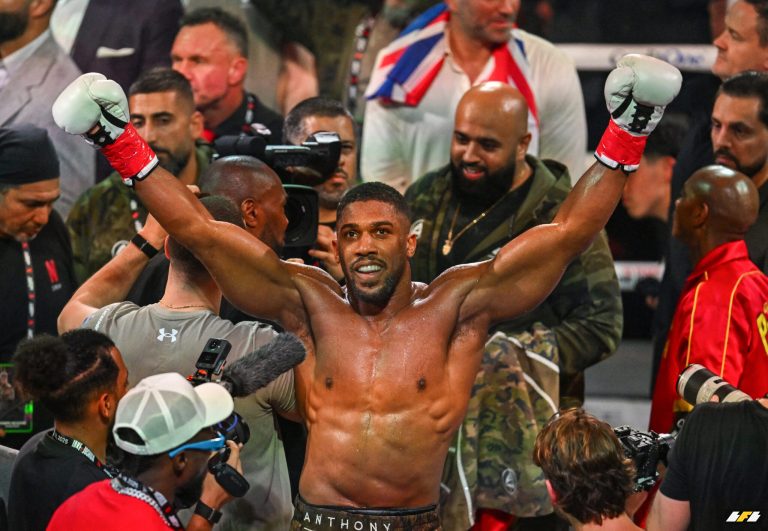
Inside the Boxing Ring: A Comprehensive Guide on Boxing Techniques
Boxing is a sport that combines sheer physical strength, agility, and strategic thinking. It’s more than just throwing punches; it’s an art form that requires precision, dedication, and a deep understanding of various techniques. Whether you’re a novice stepping into the ring for the first time or a seasoned fighter looking to refine your skills, understanding the core techniques of boxing is essential. This guide delves into the intricacies of boxing, exploring everything from stance and footwork to defensive maneuvers and punching techniques.
Understanding the Basics: Stance and Footwork
The foundation of all boxing techniques lies in the stance and footwork. A proper stance ensures balance, power, and the ability to both deliver and evade punches effectively.
Stance
Your stance is crucial as it influences your balance and ability to move swiftly. A good boxing stance involves:
- Feet Position: Stand with your feet shoulder-width apart, your lead foot slightly forward. If you’re right-handed, your left foot should be in front.
- Knee Slightly Bent: This helps in maintaining balance and readiness to move.
- Hands Up: Keep your hands up near your face, elbows tucked in. This is your primary defense against incoming punches.
Footwork
Footwork is not just about moving around the ring; it’s about maintaining balance, creating angles, and setting up your punches. Effective footwork involves:
- Pivoting: Pivot on your lead foot to change angles quickly and stay one step ahead of your opponent.
- Shuffling: Use small shuffling steps to move in and out of range, always ready to strike or defend.
- Sliding: Slide your feet rather than lifting them to maintain contact with the ground, ensuring steady movement.
Mastering Punching Techniques

Punching is the core of boxing, and mastering different types of punches can give you a significant advantage. Each punch serves a unique purpose and can be used strategically during a fight.
Jab
The jab is a quick, straight punch thrown with the lead hand. It’s primarily used to control distance, set up other punches, and keep your opponent at bay. To execute a jab effectively:
- Extend your lead hand quickly from the guard position.
- Rotate your shoulder and hip slightly to add power.
- Snap the punch back to the guard position immediately after impact.
Cross
The cross is a powerful straight punch thrown with the rear hand. It’s often used in combination with a jab. To throw a cross:
- Twist your hips and shoulders while extending your rear hand.
- Pivot your rear foot for added power.
- Ensure your lead hand remains up to protect your face.
Hooks and Uppercuts
Both hooks and uppercuts are close-range punches designed to target your opponent’s head or body.
- Hook: A hook is a semi-circular punch thrown with the lead or rear hand. It targets the side of the opponent’s head or body. Keep your elbow bent and pivot your hips as you swing your arm.
- Uppercut: The uppercut is a vertical punch aimed at the opponent’s chin or torso. Bend your knees slightly and drive your fist upward, using your legs and hips for power.
Defensive Techniques
Defense in boxing is as important as offense. It involves blocking, dodging, and using strategic positioning to avoid or minimize damage from your opponent’s punches.
Blocking and Parrying
Blocking involves using your gloves and arms to absorb or deflect punches. Parrying, on the other hand, is about redirecting punches away from your body. Key techniques include:
- High Guard: Use your gloves to cover your head while keeping your elbows close to protect your body.
- Parry: Use a slight movement of your hand to redirect an incoming punch, often setting up a counterattack.

Slipping and Rolling
These are evasive maneuvers to avoid punches entirely.
- Slipping: Shift your head slightly to one side to avoid a straight punch, staying close enough to counter.
- Rolling: Rotate your upper body to roll under a punch, using the momentum to come back with a counter-punch.
Strategy and Ring Generalship
Beyond physical skills, boxing is a mental game. Strategy and adaptability are crucial in outsmarting your opponent and controlling the pace of the fight.
Reading Your Opponent
Understanding your opponent’s style, strengths, and weaknesses can give you a tactical advantage. Pay attention to:
- Patterns: Look for predictable patterns in your opponent’s movement and punch combinations.
- Body Language: Read subtle cues that may indicate fatigue or a planned attack.
Adapting Your Style
No two fights are the same, and being able to adapt is key to success in the ring. This involves:
- Switching Tactics: If something isn’t working, don’t hesitate to change your approach.
- Controlling the Tempo: Use your footwork and jabs to dictate the pace of the fight, either slowing it down or increasing aggression as needed.
Conclusion: The Journey of Mastering Boxing
Mastering the art of boxing is a journey that requires dedication, discipline, and a constant willingness to learn and adapt. From the basic stance and footwork to the complexities of strategic thinking in the ring, each aspect of boxing builds upon the other. As you continue to train and evolve as a boxer, remember that the greatest fighters are not only skilled and powerful but also thoughtful and strategic. For those interested in the historical and technical aspects of boxing, resources such as Britannica’s boxing section provide a wealth of information. Whether you’re training for fitness, competition, or personal growth, boxing offers a rewarding path that strengthens both body and mind. Embrace the journey, and keep honing your craft.

As you continue to explore the world of boxing, consider visiting Olympic Boxing for insights into how boxing has evolved as an Olympic sport over the years. Additionally, for those looking to refine their techniques further, resources like CoachUp offer personalized coaching tips and strategies to enhance your skills. Remember, every champion was once a beginner who never gave up, so keep pushing forward and embrace the challenges ahead.
Training Regimens and Conditioning
Training is the backbone of any successful boxer. A well-rounded regimen not only focuses on technique but also includes conditioning to build endurance, strength, and agility. Understanding the components of a comprehensive boxing training program can significantly enhance your performance in the ring.
Strength and Conditioning
Strength and conditioning are crucial for developing the power behind your punches and the stamina to last through grueling rounds. Key elements include:
- Weight Training: Incorporate exercises like deadlifts, squats, and bench presses to build overall strength.
- Plyometrics: Use explosive exercises such as box jumps and medicine ball throws to improve speed and power.
- Core Workouts: A strong core is vital for balance and generating punch power. Engage in exercises like planks, Russian twists, and leg raises.
Cardiovascular Endurance
Boxing demands high levels of cardiovascular fitness. To maximize endurance:
- Roadwork: Traditional roadwork, which involves long-distance running, builds a solid aerobic base.
- Interval Training: High-intensity interval training (HIIT) mimics the stop-and-start nature of boxing rounds and is excellent for improving stamina.
- Jump Rope: A staple in boxing, jump rope increases foot speed, coordination, and cardiovascular health.

Skill Development
Beyond physical conditioning, skill development is crucial. This involves regular practice of techniques and sparring sessions:
- Shadow Boxing: Practice your moves in front of a mirror to perfect form and technique without a partner.
- Sparring: Controlled sparring sessions with a partner help you apply techniques in a realistic setting and improve reaction times.
- Bag Work: Heavy bag and speed bag workouts refine punching power, accuracy, and rhythm.
Nutrition and Recovery
What you put into your body is just as important as your training regimen. Nutrition fuels your workouts and aids in recovery, while proper recovery techniques ensure that you remain injury-free and ready to train consistently.
Nutritional Guidelines
A balanced diet tailored to your training needs is essential for optimal performance:
- Protein: Essential for muscle repair and growth. Include sources like lean meats, fish, eggs, and plant-based proteins.
- Carbohydrates: Your body’s primary energy source. Focus on complex carbs like whole grains, fruits, and vegetables.
- Hydration: Stay hydrated to maintain performance levels and aid in recovery. Drink water regularly and consider electrolyte-rich sports drinks during intense sessions.
Recovery Techniques
Recovery is a crucial component of a successful boxing program. Implement these techniques to enhance recovery:
- Rest Days: Incorporate rest days into your schedule to allow your body to recover and rebuild.
- Stretching and Flexibility: Regular stretching sessions help maintain flexibility and prevent injuries.
- Massage and Ice Baths: Use massages and ice baths to reduce muscle soreness and expedite recovery.

For a deeper understanding of how nutrition impacts athletic performance, resources like the Academy of Nutrition and Dietetics provide valuable insights. They offer guidance on meal planning and hydration tailored to athletes’ needs.
The Mental Game: Building a Champion’s Mindset
While physical prowess is vital, the mental aspect of boxing cannot be underestimated. The ability to remain calm, focused, and determined can often be the deciding factor in the outcome of a fight.
Focus and Concentration
Maintaining focus during a fight ensures you can execute your game plan and adapt to your opponent’s strategy. Techniques to enhance focus include:
- Meditation and Visualization: Regular meditation can improve concentration, while visualization helps mentally prepare for different fight scenarios.
- Breathing Techniques: Controlled breathing helps manage stress and maintain composure in the ring.
Building Confidence
Confidence stems from preparation and self-belief. To build and maintain confidence:
- Positive Self-Talk: Reinforce self-belief with affirmations and positive thinking.
- Goal Setting: Set realistic and achievable goals to track progress and build confidence over time.
Conclusion: The Path to Mastery in Boxing
Boxing is a multifaceted sport that challenges both the body and mind. As you embark on your journey, remember that improvement comes through consistent effort and dedication. By mastering the techniques and strategies discussed, while also focusing on conditioning and mental toughness, you can elevate your skills in the ring.
For those seeking additional resources on boxing training and techniques, the Boxing News Online offers comprehensive articles and updates about the sport. Whether you’re aspiring to compete at a professional level or simply looking to enjoy boxing as a hobby, the path to mastery is rewarding and fulfilling. Embrace the challenge, stay committed, and always strive to be better today than you were yesterday.
About the Author