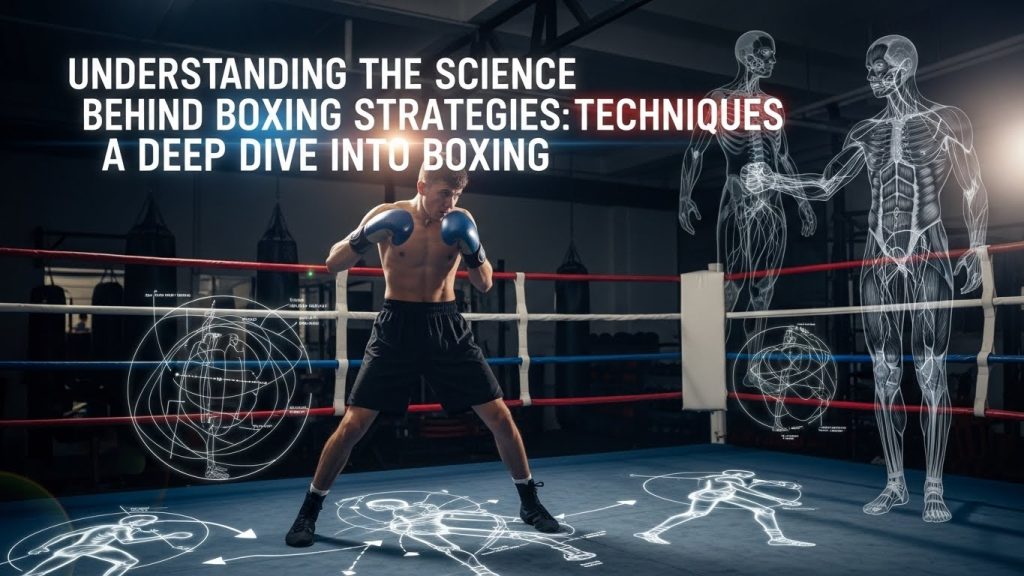
Understanding the Science Behind Boxing Strategies: A Deep Dive into Boxing Techniques
Boxing is often perceived as a sport dominated by sheer physical strength and agility. However, beneath the surface lies a complex web of strategies and techniques that require a deep understanding of both the physical and mental aspects of the human body. Successful boxers must master these strategies to outsmart and outmaneuver their opponents in the ring. This blog post delves into the fascinating science behind boxing strategies, shedding light on the techniques that define this exhilarating sport.
The Anatomy of a Boxer: Physical and Mental Conditioning
Before diving into specific boxing strategies, it’s essential to understand the physical and mental conditioning required for a boxer. Physical training plays a crucial role in enhancing a boxer’s strength, speed, endurance, and flexibility. A well-conditioned body can deliver powerful punches, maintain agility, and withstand the physical toll of a match.
Equally important is the mental conditioning of a boxer. The ability to remain calm under pressure, anticipate an opponent’s moves, and make quick strategic decisions is vital. Techniques such as visualization and mindfulness are often employed to improve focus and mental resilience.
Footwork: The Foundation of Boxing Strategy
Footwork is the cornerstone of boxing strategy. It involves the art of positioning and movement to gain a tactical advantage. Effective footwork allows a boxer to control the pace of the fight, maintain balance, and create angles for offensive and defensive maneuvers.

One common footwork technique is the pivot. By pivoting on the lead foot, a boxer can quickly change direction, dodge punches, and counterattack. Another fundamental technique is the sidestep, which helps a boxer evade an opponent’s attacks while staying within striking range.
Punching Techniques: The Art of Offense
Punching is not just about brute force; it involves precision, timing, and strategy. There are various types of punches, each serving a specific purpose. The jab, for instance, is a quick, straight punch aimed at keeping the opponent at bay and setting up more powerful punches.
The cross is a powerful punch delivered with the rear hand, often used to exploit openings in an opponent’s defense. Meanwhile, hooks and uppercuts are designed to target the sides and underside of an opponent’s guard. Mastery of these punches requires an understanding of body mechanics and timing to maximize impact and minimize exposure to counterattacks.
Defensive Techniques: The Science of Avoidance
Defense is a critical component of boxing strategy. It involves techniques to avoid or minimize the impact of an opponent’s punches. Effective defense requires a combination of head movement, blocking, and parrying.
Head movement techniques, such as slipping and bobbing, allow a boxer to evade punches while staying in a position to counterattack. Blocking involves using the arms to absorb the impact of punches, while parrying deflects punches away from the body. A well-rounded defensive strategy enhances a boxer’s ability to endure prolonged bouts and capitalize on an opponent’s mistakes.
Ring Generalship: Controlling the Fight
Ring generalship refers to a boxer’s ability to control the flow and pace of a fight. It involves strategic positioning, effective use of space, and psychological tactics to dominate an opponent. A skilled ring general can force an opponent into a defensive stance, dictate the rhythm of the fight, and exploit weaknesses.

One aspect of ring generalship is cutting off the ring, a technique used to limit an opponent’s movement and force them into a corner. This tactic can lead to increased pressure and opportunities for offensive attacks. Additionally, feints and mind games play a crucial role in ring generalship, allowing a boxer to deceive and unsettle their opponent.
The Role of Strategy in Different Boxing Styles
There are several boxing styles, each with its own set of strategies. For instance, the swarmer style focuses on overwhelming an opponent with a flurry of punches, requiring relentless aggression and stamina. In contrast, the out-boxer style emphasizes maintaining distance and using speed and precision to outmaneuver opponents.
Another style, the counterpuncher, relies on defensive techniques and precise timing to exploit an opponent’s mistakes. Each style demands a unique blend of strategies, making boxing a highly dynamic and adaptable sport. Understanding these styles allows a boxer to tailor their approach based on their strengths and weaknesses, as well as those of their opponents.
Advanced Boxing Strategies: The Tactical Edge
Advanced boxing strategies involve a deeper understanding of the sport’s intricacies. One such strategy is the use of combination punches, which involves throwing a series of punches in quick succession to confuse and overwhelm an opponent. Combinations require precise timing and coordination to be effective.
Another advanced strategy is the use of angles. By creating angles, a boxer can attack from unexpected positions, making it difficult for an opponent to defend. This technique requires exceptional footwork and spatial awareness. Additionally, strategies such as the rope-a-dope, popularized by Muhammad Ali, involve absorbing an opponent’s attacks to tire them out before launching a counteroffensive.
The Science of Adaptation: Reading and Reacting
Adaptability is a hallmark of a successful boxer. The ability to read an opponent’s movements and react accordingly is crucial to gaining the upper hand. This involves analyzing an opponent’s strengths, weaknesses, and tendencies to predict their next move.
Boxers often study their opponents before a match, reviewing past performances and identifying patterns. During the fight, they must make real-time adjustments to their strategy based on the opponent’s actions. This dynamic interplay of analysis and reaction is a testament to the mental acuity required in boxing.
Conclusion: The Intersection of Science and Art in Boxing
Boxing is a sport that beautifully combines scientific principles with the artistry of human movement. The strategies and techniques employed by boxers are a testament to the discipline, intelligence, and creativity required to excel in the ring. Understanding the science behind boxing strategies not only enhances one’s appreciation for the sport but also provides valuable insights into the complexities of human performance and competition.
For those looking to delve deeper into the world of boxing, resources such as Britannica and Boxing News Online offer a wealth of information on the sport’s history, techniques, and latest developments. Whether you’re a seasoned enthusiast or a curious newcomer, boxing offers a fascinating exploration of the intersection between strategy, science, and art.
The Psychological Game: Mental Toughness in Boxing
Beyond the physical and technical aspects, boxing is a psychological battle of wills. Mental toughness plays a pivotal role in determining the outcome of a match. Boxers must cultivate a mindset that allows them to remain focused, resilient, and confident, even in the face of adversity.
Visualization is a powerful psychological tool used by many boxers. By mentally rehearsing their strategies and envisioning success, they can enhance their performance and reduce anxiety. Additionally, maintaining composure under pressure is crucial. Techniques such as controlled breathing and positive self-talk can help boxers manage stress and maintain clarity during intense moments.
The Importance of Nutrition and Recovery
Nutrition and recovery are often overlooked but essential components of a boxer’s strategy. Proper nutrition fuels the body, enhances performance, and aids in recovery. A balanced diet rich in proteins, carbohydrates, fats, vitamins, and minerals supports the rigorous demands of training and competition.
Recovery techniques, such as hydration, rest, and physical therapy, are equally important. They help repair muscle damage, reduce fatigue, and prevent injuries. Understanding the science of nutrition and recovery allows boxers to optimize their physical condition and maintain peak performance over time.
The Role of Technology in Modern Boxing
In recent years, technology has revolutionized the way boxers train and strategize. Wearable technology, such as heart rate monitors and motion sensors, provides valuable data on a boxer’s performance. This data enables coaches and athletes to analyze movement patterns, optimize training regimens, and make informed adjustments to strategies.
Moreover, video analysis has become an invaluable tool for studying opponents. By reviewing footage, boxers can gain insights into an opponent’s style, tendencies, and weaknesses. This technological edge enhances a boxer’s ability to prepare strategically for upcoming matches.
Women in Boxing: Breaking Barriers and Redefining Strategies
Women’s boxing has gained significant recognition and popularity in recent years. Female boxers have broken barriers and redefined traditional strategies with their unique approaches to the sport. Women like Claressa Shields and Katie Taylor have showcased exceptional skills, inspiring a new generation of female athletes.
The growth of women’s boxing has brought fresh perspectives and innovative strategies to the ring. Female boxers often emphasize agility, speed, and technical precision, challenging the norms of power-focused tactics. As women continue to make their mark in the boxing world, the evolution of strategies promises to bring exciting developments to the sport.
Looking Ahead: The Future of Boxing
The future of boxing holds exciting possibilities as the sport continues to evolve. Advances in sports science, technology, and training methodologies are likely to shape the strategies and techniques of tomorrow’s boxers. The integration of data analytics, virtual reality, and artificial intelligence may further enhance training and strategic planning.
Additionally, the growing global popularity of boxing is expected to bring diverse styles and strategies to the forefront. As more cultures and regions embrace the sport, the exchange of ideas and techniques will enrich the boxing landscape, creating a dynamic and inclusive environment for athletes worldwide.
In conclusion, understanding the science behind boxing strategies offers a profound appreciation for the skill and intelligence required to excel in the ring. As boxing continues to captivate audiences with its blend of strategy, athleticism, and artistry, it remains a testament to the enduring human spirit and the pursuit of excellence. For more in-depth exploration of boxing’s evolving strategies and techniques, visit Boxing.org, a comprehensive resource for enthusiasts and professionals alike.
About the Author